Sump Pump Size Calculator: Find the Right GPH & Horsepower
Use this sump pump sizing calculator to determine the correct pump capacity for your basement or crawlspace. Enter your pit dimensions, expected inflow rate, vertical lift, and discharge pipe details — the calculator will recommend a flow rate (GPH), total head, and horsepower class.
Best Sump Pump for You:


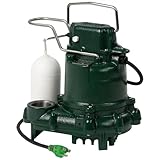
Why Sump Pump Sizing Matters: A Complete Guide to GPH, Total Head, and Basement Protection
A sump pump is one of the most important pieces of equipment in a home with a basement or crawlspace. Its job is simple but critical: collect groundwater that enters through a sump pit and discharge it away from the foundation before it can flood the space. When a sump pump is correctly sized, it runs intermittently during wet weather, empties the pit quickly, and stays quiet the rest of the time. When it is undersized, it runs continuously during storms, never catches up, and eventually burns out — often on the night of the heaviest rain, when you need it most. When it is oversized, it cycles on and off rapidly, wearing out the switch and motor. This calculator helps you find the right size by considering your pit dimensions, the rate at which water enters the pit, the total head the pump must overcome, and a safety factor for your climate.
How a Sump Pump Works: Inflow, Drawdown, and Cycle Time
Water enters the sump pit through weep holes, perimeter drains, or direct groundwater seepage. As the water level rises, it lifts a float switch. When the float reaches the "on" point, the pump starts and discharges water through a pipe to the exterior. When the water level drops to the "off" point, the pump stops. The difference between the on and off water levels is the drawdown volume — the amount of water the pump removes per cycle. The cycle time is the drawdown volume divided by the pump's net removal rate (pump capacity minus inflow rate). A properly sized pump empties the pit in a reasonable time — typically 10–30 seconds of pumping — and then stays off long enough for the motor to cool. If the pump is too small, the cycle time becomes very long, or the pump never catches up at all. If the pump is too large, the cycle time becomes very short, causing rapid cycling and switch wear.
The Key Variables: Inflow Rate, Total Head, and Safety Factor
Three variables determine the correct sump pump size. First, inflow rate: how much water enters the pit per hour during the worst storm you expect. This is the hardest number to estimate. A dry basement with a low water table might see 100–300 GPH during heavy rain. A basement with a high water table or poor drainage might see 1,000–3,000 GPH or more. If you have measured your current pump's performance, you can estimate inflow by timing how long the pump runs and how much water it moves. Second, total head: the vertical lift from the pump to the highest point of the discharge pipe, plus friction loss in the pipe, plus any pressure head if the discharge is above the pump. Third, safety factor: the pump should be able to handle more than the expected inflow, so it can catch up and empty the pit even during a storm. A safety factor of 1.5× is typical; 2.0× is recommended for wet climates or high water tables. Our calculator uses all three inputs.
Step-by-Step: How the Calculator Estimates Sump Pump Size
The calculator follows a transparent, repeatable formula that mirrors professional sizing methods:
| Factor | How It Is Applied | Typical Impact |
|---|---|---|
| Pit diameter & depth | Used to calculate pit volume and drawdown | Larger pit = more drawdown per cycle |
| Inflow rate (GPH) | Base water entering the pit | Dominant sizing factor |
| Safety factor | Multiplied by inflow (1.2–2.0×) | Ensures pump can catch up |
| Vertical lift | Added to friction and pressure head | Higher lift reduces pump capacity |
| Discharge pipe length & size | Used to estimate friction loss | Longer/smaller pipe = less flow |
| Total dynamic head | Lift + friction + pressure | Used to select pump horsepower |
After calculating the design flow (inflow × safety factor) and total head, the calculator estimates the required pump capacity at that head. It then maps the result to a practical pump class (e.g., 1/4 HP, 1/3 HP, 1/2 HP, 3/4 HP) and provides a note about cycle time and pit drawdown. It also checks whether the pit is large enough to provide a reasonable cycle time and warns if the pump may short-cycle.
Why Undersizing a Sump Pump Is Dangerous
An undersized sump pump is the most common cause of basement flooding. During a heavy storm, the inflow rate can exceed the pump's capacity, and the water level in the pit rises even while the pump is running. Eventually, the water overflows the pit and floods the basement. An undersized pump also runs continuously, which overheats the motor and shortens its life. In a finished basement, the cost of water damage — ruined drywall, flooring, furniture, and mold remediation — can easily exceed $10,000. The cost difference between a 1/3 HP and 1/2 HP pump is often only $50–$100, making the larger pump a smart investment. If you are unsure about your inflow rate, size up. A pump that is slightly oversized will cycle a bit more but will never fail to keep up.
Why Oversizing a Sump Pump Is Also a Problem
An oversized sump pump empties the pit so quickly that it cycles on and off rapidly — a condition called short-cycling. Each cycle wears the float switch and the motor windings, and the frequent starts generate heat that is not dissipated because the pump runs for only a few seconds. Over time, short-cycling leads to premature failure of the switch or motor. Oversized pumps also draw more amperage, which may require a dedicated circuit. The goal is to match the pump's capacity to the inflow rate so that the pump runs for at least 10–30 seconds per cycle and rests long enough to cool. A larger pit or a pump with a longer cycle time can help, but the simplest solution is to choose a pump whose capacity is 1.5–2× the inflow rate, not 5–10×.
Submersible vs. Pedestal Pumps: Sizing Differences
Submersible sump pumps sit inside the pit and are covered by the lid. They are quiet, space-saving, and less likely to be damaged by debris. Pedestal pumps have the motor above the pit and the impeller at the bottom of a column. They are easier to service and less expensive, but they are noisier and take up more space. The sizing method is the same for both: match the pump's flow at your total head to your design flow. Submersible pumps are available in higher capacities and are generally preferred for primary sump duty. Pedestal pumps are common as backups or in narrow pits. Some homes use a combination system: a submersible primary pump plus a battery-powered backup pump that runs when the power fails. If you have a combination system, size the primary pump for the design flow and the backup pump for at least the same flow, or slightly less if it is only meant to handle moderate storms.
Real-World Examples and Sanity Checks
Consider a basement with an 18-inch diameter pit, 24 inches deep, an inflow rate of 600 GPH, a vertical lift of 8 feet, and 30 feet of 1-1/2 inch discharge pipe. Design flow = 600 × 1.5 = 900 GPH. Friction loss for 900 GPH through 1-1/2 inch pipe is roughly 2–4 feet of head. Total head = 8 + 3 = 11 feet. A 1/3 HP submersible pump typically delivers 1,800–2,400 GPH at 10 feet of head, so it would easily handle 900 GPH. A 1/4 HP pump might deliver 1,200–1,500 GPH at 10 feet, which is also adequate but with less margin. Now consider a high-water-table basement with an inflow of 1,800 GPH: design flow = 2,700 GPH, total head = 12 feet. A 1/2 HP pump delivering 3,000–3,600 GPH at 10–12 feet would be appropriate. These examples show why inflow rate and head are the dominant factors.
Additional Factors the Calculator Cannot Capture
No online calculator can replace a professional assessment of your basement's water problems, but our tool covers the dominant variables for sump pump sizing. Still, be aware of factors that can affect performance. Pit size and inlet location: a larger pit provides more drawdown and reduces cycling. A pit that is too small may fill faster than the pump can cycle. Discharge location: the pipe must discharge far enough from the foundation (typically 10–20 feet) and slope away from the house, or water will recycle back into the pit. Check valve: a check valve on the discharge line prevents water from flowing back into the pit when the pump stops. Without one, the pump re-pumps the same water. Freeze protection: the discharge line must drain completely or be protected from freezing, or ice will block it in winter. Power reliability: a sump pump without backup power will fail during an outage, which often coincides with the heaviest storms. If your situation is unusual in any of these dimensions, consult a licensed plumber or basement waterproofing contractor.
| Inflow Rate (GPH) | Typical Total Head | Recommended Pump | Typical Use Case |
|---|---|---|---|
| Up to 300 | 8–12 ft | 1/4 HP | Dry basement, low water table, occasional rain |
| 300–600 | 8–14 ft | 1/3 HP | Typical basement, moderate rainfall |
| 600–1,200 | 10–16 ft | 1/2 HP | Wet basement, high water table, frequent storms |
| 1,200–2,000 | 12–18 ft | 3/4 HP | Very wet basement, poor drainage, large pit |
| 2,000+ | 15–25 ft | 1 HP or multiple pumps | High water table, commercial, emergency backup needed |
Pump Curves: Why Horsepower Alone Is Not Enough
A sump pump's horsepower rating tells you the motor size, but it does not tell you how much water the pump will deliver at a given head. That information is found on the pump curve — a graph that shows flow (GPH or GPM) on the horizontal axis and head (feet) on the vertical axis. A 1/2 HP pump may deliver 3,600 GPH at 5 feet of head but only 1,800 GPH at 15 feet. When selecting a pump, you must find a model whose curve passes through your design point (design GPH at design head). A pump that is too far to the right of its curve will not keep up; one that is too far to the left will short-cycle. Our calculator estimates the design point and suggests a horsepower class, but you should always verify against the manufacturer's pump curve before purchasing.
Battery Backup and Combination Systems
A primary sump pump runs on household electricity. If the power goes out during a storm — a common occurrence — the pump stops, and the basement can flood within hours. A battery backup sump pump runs on a deep-cycle battery and provides hours of protection during an outage. A combination system includes both a primary pump and a backup pump in the same pit, often with a shared discharge line. When sizing a combination system, size the primary pump for the full design flow and the backup pump for at least the same flow, or slightly less if it is only meant to handle moderate storms. Also consider a water-powered backup pump, which uses municipal water pressure to create suction — these do not need a battery but require a reliable water supply. No matter which backup you choose, test it regularly and replace the battery every 3–5 years.
Energy Efficiency, Maintenance, and Operating Cost
Sump pumps are not major energy users compared to HVAC systems, but a pump that runs continuously or short-cycles uses more electricity and wears out faster. A correctly sized pump runs intermittently, maybe a few minutes per hour during storms, and uses only a few dollars of electricity per month. Maintenance is minimal but important: test the pump every few months by pouring water into the pit; clean the inlet screen and float; check the check valve; and make sure the discharge line is clear and slopes away from the house. Replace the pump every 7–10 years, or sooner if it shows signs of wear. A pump failure during a storm can cause thousands of dollars in damage, so preventive replacement is often worthwhile. Our calculator helps you choose the right size the first time, so you can avoid the cycle of frequent replacements and basement floods.
Frequently Asked Questions
What size sump pump do I need for my basement?
Most residential basements are well served by a 1/3 HP or 1/2 HP submersible sump pump. A 1/3 HP pump handles 300–600 GPH at 10 feet of head, which is typical for a moderately wet basement. A 1/2 HP pump handles 600–1,200 GPH and is better for high water tables or frequent storms. Use the calculator above with your pit dimensions and estimated inflow to get a precise recommendation.
How do I estimate my inflow rate?
If you have an existing pump, time how long it runs and how much water it moves. For example, if a 1/3 HP pump (rated 1,800 GPH at 10 ft) runs for 30 seconds every 5 minutes during a storm, it is removing about 900 gallons per hour, so the inflow is roughly 900 GPH. If you are installing a new pump, use a conservative estimate: 300 GPH for a dry basement, 600 GPH for a typical basement, and 1,200+ GPH for a wet basement or high water table.
What is total head and why does it matter?
Total head is the sum of vertical lift (from the pump to the highest point of the discharge pipe), friction loss (resistance in the pipe and fittings), and any pressure head (if the discharge is above the pump). It is expressed in feet. The higher the total head, the less water a pump can deliver. A pump that delivers 3,000 GPH at 5 feet of head may only deliver 1,500 GPH at 15 feet. Always size the pump using its flow at your total head, not its maximum flow at zero head.
How big should my sump pit be?
A typical residential sump pit is 18–24 inches in diameter and 24–36 inches deep. A larger pit provides more drawdown volume, which reduces pump cycling and gives the pump more time to cool between cycles. If your pit is smaller than 18 inches in diameter, consider enlarging it or choosing a pump with a lower flow rate to avoid short-cycling. The pit should be deep enough that the pump sits below the inlet but above the bottom, and the lid should be secure and vented.
Can I use a larger sump pump than recommended?
You can, but a significantly oversized pump will short-cycle, wearing out the switch and motor. If you choose a larger pump, also consider a larger pit to provide more drawdown, or a pump with a longer cycle time. A pump that is 1.5–2× your design flow is a good target. A pump that is 5× your design flow is likely to short-cycle and fail prematurely. If you are unsure, choose the next size up rather than jumping two sizes.
Do I need a check valve on my sump pump?
Yes. A check valve prevents water in the discharge pipe from flowing back into the pit when the pump stops. Without a check valve, the pump re-pumps the same water, wasting energy and causing short-cycling. Install the check valve as close to the pump as possible, and drill a small weep hole just above the pump to allow air to escape and prevent airlock. Check the valve annually and replace it if it sticks or leaks.
How far should the discharge pipe extend from the house?
The discharge pipe should extend at least 10–20 feet from the foundation and slope away from the house so that water drains away and does not recycle back into the pit. If the pipe discharges onto a slope, make sure the water flows away from the foundation. In cold climates, the pipe must drain completely after each cycle, or it will freeze and block. A downward slope and a check valve with a weep hole help ensure complete drainage.
How long does a sump pump last?
A typical sump pump lasts 7–10 years with regular use. Pumps in high-water-table areas that run frequently may last 5–7 years; pumps that run only occasionally may last 10–15 years. Signs that a pump needs replacement include: unusual noises, frequent cycling, rust or corrosion, a float that sticks, or a pump that runs but does not move water. Replace the pump proactively every 7–10 years, or sooner if it shows signs of wear.
Do I need a battery backup sump pump?
If your basement is finished or contains valuable items, a battery backup is strongly recommended. Power outages often occur during the heaviest storms, exactly when the sump pump is needed most. A battery backup runs on a deep-cycle battery and provides hours of protection. Combination systems include a primary pump and a backup pump in the same pit. Test the backup every few months and replace the battery every 3–5 years.
Why does my sump pump run continuously?
A sump pump that runs continuously usually indicates one of four problems: the inflow rate exceeds the pump's capacity (undersized pump); the check valve is stuck open, allowing water to flow back into the pit; the float switch is stuck in the "on" position; or the discharge line is blocked or frozen. Check the discharge line first, then the check valve and float. If the inflow truly exceeds the pump's capacity, you need a larger pump or a second pump.
Sump Pump Sizing Checklist
- Estimate your peak inflow rate during the worst storm
- Measure pit diameter and depth to calculate drawdown volume
- Measure vertical lift from pump to the highest discharge point
- Measure discharge pipe length and note the pipe size
- Apply a safety factor of 1.5× (or 2.0× for wet climates)
- Use the calculator to get design flow and total head
- Verify the pump curve passes through your design point
- Install a check valve and drill a weep hole above the pump
- Ensure the discharge line slopes away from the foundation
- Add a battery backup if the basement is finished or valuable
Professional Sizing vs. Rule-of-Thumb
Basement waterproofing contractors use detailed calculations that consider soil type, water table depth, drainage system design, and local rainfall intensity. Those calculations are more precise than any online tool, but they are also time-consuming and often overkill for a single-family home. Our calculator sits between the crude "one size fits all" approach and a full manual calculation. It captures the variables that matter most for sump pump sizing — inflow rate, pit size, total head, and safety factor — while keeping the interface simple. If you are dealing with chronic flooding, a high water table, or a large commercial space, consider hiring a licensed basement waterproofing contractor to design the system. For a typical residence, the calculator's result will serve you well.
Final Thoughts: Matching the Pump to the Water
The right sump pump size is the one that keeps your basement dry during the worst storm, without short-cycling or burning out. Use this calculator as your first step, then check the pump curve on any model you consider. Remember that the pump is only one part of the system — the pit, the check valve, the discharge line, and the backup power all matter. If you are replacing a pump, take the opportunity to inspect the pit, clean the inlet, and test the discharge line. Bookmark this page, run your numbers before you buy, and enjoy a dry basement for years to come.