Pressure Tank Size Calculator: Find the Right Well Tank for Your Pump
Use this pressure tank sizing calculator to determine the correct tank volume for your well water system. Enter your pump flow rate, pressure switch settings, and household demand — the calculator will recommend a pressure tank size and estimate drawdown volume to prevent pump short-cycling.
Best Pressure Tank for You:
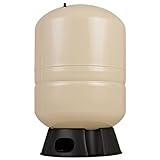
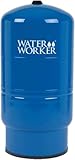

Why Pressure Tank Sizing Matters: A Complete Guide to Drawdown, Pump Cycling, and Well System Performance
A pressure tank is the heart of a well water system. It stores pressurized water so that your pump does not have to run every time you open a faucet. Without a properly sized pressure tank, your well pump would start and stop rapidly — a condition called short-cycling — which burns out motors, wears out pressure switches, and shortens the life of the entire system. The pressure tank also provides a buffer of water so that pressure stays stable while the pump is off, and it gives the pump time to cool down between cycles. But how do you know what size tank you need? The answer depends on your pump's flow rate, your pressure switch settings, and how much drawdown volume you need to keep the pump from cycling too frequently. This calculator helps you find the right size by considering all of these factors.
How a Pressure Tank Works: Air, Water, and Drawdown
A pressure tank is a sealed vessel that contains both water and compressed air. In a diaphragm or bladder tank, a rubber membrane separates the two. When the pump runs, it pushes water into the tank, compressing the air. When the pump shuts off, the compressed air pushes water out to your fixtures. The amount of water that can be drawn out before the pressure drops to the cut-in point and the pump restarts is called the drawdown volume. Drawdown is the key number for sizing: a tank's total volume is not the same as its drawdown. For example, a 40-gallon diaphragm tank might have a drawdown of only 12–14 gallons at a 30/50 psi setting. The drawdown depends on the tank's total volume, the pre-charge pressure, and the cut-in/cut-out pressure settings. Our calculator estimates drawdown and then determines the tank size needed to achieve your desired minimum runtime.
The Key Variables: Pump Flow Rate, Pressure Switch, and Runtime
Three variables determine the correct pressure tank size. First, pump flow rate: the more water your pump delivers per minute, the faster it fills the tank, and the larger the tank needs to be to provide a reasonable runtime. A 10 GPM pump needs a larger tank than a 5 GPM pump for the same runtime. Second, pressure switch settings: the difference between cut-in and cut-out pressure determines how much of the tank's water is usable. A wider differential (e.g., 30/50) gives more drawdown than a narrow one (e.g., 40/60). Third, desired minimum runtime: the pump should run for at least 1–2 minutes per cycle to dissipate heat and avoid short-cycling. The runtime is equal to the drawdown volume divided by the pump flow rate. So if you want a 1.5-minute runtime with a 10 GPM pump, you need 15 gallons of drawdown. Our calculator uses this relationship to recommend a tank size.
Step-by-Step: How the Calculator Estimates Pressure Tank Size
The calculator follows a transparent, repeatable formula that mirrors professional sizing methods:
| Factor | How It Is Applied | Typical Impact |
|---|---|---|
| Pump flow rate | Base GPM from pump rating | Higher GPM requires larger tank |
| Pressure differential | Cut-out minus cut-in pressure | Wider differential gives more drawdown |
| Desired runtime | Minutes per pump cycle | 1–2 minutes typical |
| Required drawdown | Flow rate × runtime | Sets the minimum drawdown volume |
| Tank type efficiency | Diaphragm vs. galvanized factor | Galvanized tanks need more total volume |
| Drawdown ratio | Drawdown ÷ total tank volume | Typically 25–40% for diaphragm tanks |
After calculating the required drawdown, the calculator estimates the total tank volume needed based on the drawdown ratio for your tank type and pressure settings. It then rounds up to the nearest standard tank size (e.g., 20, 30, 40, 50, 80, 120 gallons) and provides a practical tank class recommendation. It also checks the pump's starts per hour and warns if the tank is too small for the pump type.
Why Short-Cycling Is the Enemy: Pump Damage and Energy Waste
Short-cycling is the most common cause of well pump failure. Every time a pump starts, it draws a surge of current — often 3–5 times its running amperage. This surge heats the motor windings, and if the pump starts too frequently, the heat builds up faster than it can dissipate. Over time, the motor insulation fails and the pump burns out. Short-cycling also wears out the pressure switch contacts, the check valve, and the tank itself. A properly sized pressure tank prevents short-cycling by providing enough drawdown to keep the pump running for at least 1–2 minutes per cycle. The general rule is that a pump should not start more than 6–10 times per hour for submersible pumps, and no more than 4–6 times per hour for jet pumps. Our calculator checks the starts per hour and recommends a tank size that keeps the pump within safe limits.
Diaphragm vs. Galvanized Tanks: Sizing Differences
Older well systems often used galvanized steel tanks with no bladder. In these tanks, air and water are in direct contact, and the air gradually dissolves into the water, causing the tank to become waterlogged. A waterlogged tank has almost no drawdown, so the pump short-cycles. Galvanized tanks also require more total volume to achieve the same drawdown because the air cushion is less effective and the tank must be periodically recharged with air. Diaphragm and bladder tanks keep air and water separate, so the air charge does not dissolve. They provide more drawdown per total gallon and require less maintenance. For a given drawdown requirement, a galvanized tank may need to be 1.5–2 times larger than a diaphragm tank. Our calculator applies a tank-type factor to account for this difference. If you are replacing a galvanized tank, consider upgrading to a diaphragm tank — you can often use a smaller total volume and get better performance.
Real-World Examples and Sanity Checks
Consider a typical home with a 10 GPM submersible pump, a 30/50 pressure switch, and a desire for a 1.5-minute runtime. Required drawdown = 10 GPM × 1.5 min = 15 gallons. For a diaphragm tank at 30/50 psi, the drawdown ratio is about 30–35% of total volume. So the total tank volume needed = 15 / 0.32 ≈ 47 gallons. A standard 50-gallon diaphragm tank would be a good choice. Now consider a smaller system with a 5 GPM pump and a 20/40 pressure switch. Required drawdown = 5 × 1.5 = 7.5 gallons. At 20/40 psi, the drawdown ratio is about 25–30%, so the total volume needed = 7.5 / 0.28 ≈ 27 gallons. A 30-gallon tank would work. For a galvanized tank, you might need a 50–80 gallon tank for the same drawdown because of the lower drawdown ratio. These examples show why pump flow rate and pressure settings are the dominant factors.
Additional Factors the Calculator Cannot Capture
No online calculator can replace a professional well system assessment, but our tool covers the dominant variables for pressure tank sizing. Still, be aware of factors that can affect performance. Well yield: if your well produces less water than the pump can deliver, the pump may run dry or the tank may not refill properly. Pressure switch location: the switch should be located near the tank, and the piping between the tank and switch should be sized to avoid pressure drop. Tank pre-charge: the tank's air pre-charge should be 2 psi below the cut-in pressure. If the pre-charge is wrong, the drawdown will be less than expected. Water quality: acidic or hard water can corrode the tank or clog the diaphragm. Freeze protection: tanks in unheated spaces may freeze; install in a heated area or add insulation. If your situation is unusual in any of these dimensions, consult a licensed well contractor.
| Pump Flow Rate (GPM) | Pressure Switch (psi) | Recommended Diaphragm Tank | Typical Use Case |
|---|---|---|---|
| 5 | 20/40 | 20–30 gallons | Small cabin, 1–2 fixtures |
| 5–10 | 30/50 | 30–50 gallons | Typical home, 2–3 bathrooms |
| 10–15 | 30/50 | 50–80 gallons | Large home, high demand |
| 15–20 | 40/60 | 80–120 gallons | Very large home, irrigation |
| 20+ | 40/60 | 120+ gallons or multiple tanks | Commercial, farm, multi-family |
Pressure Switch Settings: How They Affect Drawdown
The pressure switch controls when the pump turns on and off. Common settings are 20/40, 30/50, and 40/60 psi. The difference between cut-in and cut-out is the pressure differential. A wider differential gives more drawdown per gallon of tank volume because the water has more room to expand and contract. For example, a 40-gallon diaphragm tank at 30/50 psi might have a drawdown of 12–14 gallons, while the same tank at 20/40 psi might have a drawdown of only 9–10 gallons. However, a wider differential also means more pressure variation at the fixtures, which some people find uncomfortable. Most homes use 30/50 psi as a good compromise. If you increase the differential, you can use a smaller tank for the same runtime, but you may need to adjust the tank pre-charge. Our calculator lets you enter any cut-in and cut-out pressure, so you can experiment with different settings.
Variable Frequency Drives (VFDs) and Constant Pressure Systems
Modern constant pressure systems use a variable frequency drive (VFD) to control the pump speed instead of a simple pressure switch. These systems can maintain constant pressure and often require a much smaller pressure tank — sometimes only 2–5 gallons — because the pump speed modulates to match demand. However, VFD systems still need a small tank to absorb pressure fluctuations and provide a cushion for the pump. If you have a VFD system, the sizing rules are different from those for a standard pressure switch system. Our calculator is designed for standard pressure switch systems. If you have a VFD, consult the manufacturer's recommendations for tank sizing; typically, a 4–10 gallon tank is sufficient. Do not use a large tank with a VFD system, as it can interfere with the drive's pressure control.
Energy Efficiency, Maintenance, and Operating Cost
A correctly sized pressure tank does not directly save energy, but it prevents energy waste from frequent pump starts and extends the life of the pump. Each pump start draws a surge of current, and frequent starts add up to higher electricity use over time. A properly sized tank also reduces wear on the pressure switch and check valve, lowering maintenance costs. Maintenance is minimal: check the tank's air pre-charge annually, and replace the tank if it becomes waterlogged. A waterlogged tank is a common failure mode; if you hear water sloshing when you tap the tank, or if the pump cycles rapidly, the tank may need replacement. Most diaphragm tanks last 10–15 years. Our calculator helps you choose the right size the first time, so you can avoid the cycle of frequent replacements and pump repairs.
Frequently Asked Questions
How do I know if my pressure tank is bad?
Common signs of a failed pressure tank include: the pump cycles on and off rapidly (short-cycling); pressure at the faucets fluctuates wildly; you hear water sloshing when you tap the tank; or the tank feels heavy and full of water. To test, shut off the pump, drain the tank, and check the air charge with a tire gauge. If water comes out of the air valve, the diaphragm or bladder has failed and the tank must be replaced.
Can I use a larger pressure tank than recommended?
Yes, using a larger tank is generally safe and often beneficial. A larger tank provides more drawdown, longer pump runtime, and fewer starts per hour. The main downsides are higher cost and a larger physical footprint. If you are unsure between two sizes, choose the larger one. Just make sure the tank's pre-charge matches your pressure switch setting (2 psi below cut-in).
What is drawdown and why does it matter?
Drawdown is the amount of water that can be drawn from the tank before the pressure drops to the cut-in point and the pump restarts. It is the usable water in the tank. Drawdown matters because it determines how long the pump runs per cycle. If the drawdown is too small, the pump short-cycles, which wears out the motor. Always size by drawdown, not total tank volume.
What should the tank pre-charge be?
The tank's air pre-charge should be 2 psi below the pump cut-in pressure. For a 30/50 pressure switch, set the pre-charge to 28 psi. For a 20/40 switch, set it to 18 psi. Check the pre-charge with a tire gauge when the tank is empty (water drained). If the pre-charge is too low, the tank will accept water too early; if too high, it will not accept water until pressure spikes.
How many times per hour should my well pump start?
For submersible pumps, the general rule is no more than 6–10 starts per hour. For jet pumps, no more than 4–6 starts per hour. The exact limit depends on the motor's design and cooling. A properly sized pressure tank keeps the pump within these limits. If your pump starts more frequently, the tank is likely undersized or waterlogged.
Do I need a pressure tank with a VFD (variable frequency drive) system?
Yes, but a much smaller one. VFD systems modulate pump speed to maintain constant pressure, so they only need a small tank (2–10 gallons) to absorb pressure fluctuations. Do not use a large tank with a VFD system, as it can interfere with the drive's pressure control. Always follow the VFD manufacturer's tank sizing recommendations.
Can I install a pressure tank myself?
Installing a pressure tank is a moderate DIY task for someone comfortable with basic plumbing. The tank connects to the water line with a tee fitting, and you must relieve system pressure, drain the line, install the tank, and then repressurize. You also need to set the air pre-charge correctly. If you are not comfortable with plumbing, hire a licensed well contractor. Improper installation can cause leaks or pressure problems.
How long does a pressure tank last?
A typical diaphragm or bladder pressure tank lasts 10–15 years. The diaphragm eventually degrades and fails, allowing water to fill the tank and eliminating the air cushion. Regular annual checks of the air charge can extend the life. If you notice pressure problems or water sloshing in the tank, replace it. Galvanized tanks may last longer but require more maintenance and have lower drawdown.
What is the difference between a diaphragm and a bladder tank?
A diaphragm tank has a fixed rubber membrane that separates air from water. A bladder tank has a balloon-like bladder that holds the water, with air surrounding it. Both work well, but bladder tanks are often preferred because the water does not contact the steel shell, reducing corrosion risk. Diaphragm tanks are typically less expensive and are common in residential systems. The sizing method is the same for both.
Why does my pressure tank feel heavy and full of water?
If your pressure tank feels heavy and full of water, the diaphragm or bladder has likely failed, allowing water to fill the entire tank. This is called a waterlogged tank. A waterlogged tank has almost no drawdown, so the pump short-cycles. To confirm, shut off the pump, drain the tank, and check the air valve. If water comes out, the tank must be replaced.
Pressure Tank Sizing Checklist
- Determine your pump's flow rate in GPM at your well depth
- Note your pressure switch settings (cut-in and cut-out psi)
- Decide on a desired minimum runtime (1–2 minutes typical)
- Calculate required drawdown = flow rate × runtime
- Use the calculator to get required total tank volume
- Select a standard tank with enough drawdown at your pressure settings
- Set the tank air pre-charge to 2 psi below cut-in pressure
- Install the tank near the pressure switch with properly sized piping
- Check the air charge annually and replace waterlogged tanks promptly
- Consider a VFD system if you want constant pressure with a smaller tank
Professional Sizing vs. Rule-of-Thumb
Well contractors use detailed calculations that consider pump curves, well yield, pipe friction, and local code requirements. Those calculations are more precise than any online tool, but they are also time-consuming and often overkill for a single-family home. Our calculator sits between the crude "one size fits all" approach and a full manual calculation. It captures the variables that matter most for pressure tank sizing — pump flow rate, pressure switch settings, and runtime — while keeping the interface simple. If you are sizing for a commercial system, a large farm, or a well with unusual characteristics, consider hiring a licensed well contractor to verify the load. For a typical residence, the calculator's result will serve you well.
Final Thoughts: Matching the Tank to the Pump
The right pressure tank size is the one that keeps your pump running long enough to stay cool, without letting pressure fluctuate too much. Use this calculator as your first step, then check the drawdown volume on any tank you consider. Remember that pressure tanks are relatively inexpensive compared to the cost of replacing a well pump. If you are replacing a tank, take the opportunity to verify the pump flow rate and pressure switch settings — you may find that the old tank was undersized, which explains recurring pump problems. Bookmark this page, run your numbers before you buy, and enjoy a stable, efficient well water system for years to come.